Millow: A Handwritten Font for Authentic Branding
It was a Tuesday morning when I realized my bakery’s new seasonal menu looked exactly like every other café in the neighborhood. The font was clean, legible, and utterly forgettable. As a creative consultant working with small businesses, I see this problem constantly. Entrepreneurs pour their hearts into crafting unique products, only to wrap them in generic design assets that fail to communicate their true personality. That is when I reached for Millow, a light and beautiful handwritten font that has since become a staple in my toolkit for helping brands find their voice.
Typography is often overlooked as a mere technicality, but it is actually the first thing a customer "reads" about your business before they even process your message. When you are building a brand identity, every pixel counts. In the case of Millow, the difference was immediate. This isn't just another script font; it is a typeface designed to feel human, warm, and inviting without sacrificing readability or professionalism.
The Personality Behind the Type
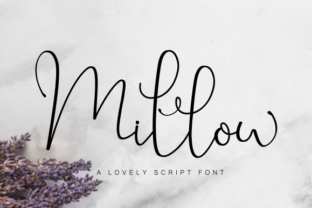
What makes Millow stand out in the crowded world of Fonts is its delicate balance between structure and whimsy. It is a premium font that captures the essence of a genuine hand-drawn letter, yet it possesses enough consistency to be used across various marketing materials. The delightful swashes and fluid strokes give it an authentic touch that feels personal, as if the owner of the business wrote the message themselves.
For a small business owner, this level of character is invaluable. Imagine a skincare brand selling organic lotions. Using a rigid, industrial sans serif font might convey efficiency, but it misses the mark on warmth and care. Switching to Millow instantly shifts the perception. The curves suggest softness, the varying stroke weights imply movement, and the overall mood becomes one of gentle luxury. It transforms a simple product label into an experience.
This font excels as a display font, meaning it shines brightest when used for headlines, short phrases, logos, and packaging titles. It is not intended for long paragraphs of body text, where a standard serif or sans serif font would be more appropriate. However, for the moments that matter most—grabbing attention on a shelf, stopping a scroll on social media, or sealing a thank-you card—Millow delivers an emotional connection that digital perfection cannot replicate.
Real-World Applications for Your Business
When reviewing how a font performs in the real world, we have to look at where it lives. I recently tested Millow across several client projects, from a boutique candle seller to a local coffee shop, and the versatility was impressive.
- Packaging Design: On a box of artisanal cookies, Millow was used for the product name. The handwritten style made the treat feel homemade and special, increasing the perceived value of the item. Customers associated the font with quality craftsmanship.
- Logo Design: For a freelance coach, Millow formed the core of a new logo. Its friendly nature helped establish trust immediately, making the professional appear approachable rather than intimidating.
- Social Media Graphics: In Instagram stories and feed posts, the font stood out against busy backgrounds. The contrast of the elegant script against bold sans serif headlines created a modern typography layout that kept engagement high.
- Thank-You Cards and Tags: Small details matter. Using Millow on a paper tag attached to a handmade scarf or on a printed note inside a package adds a layer of gratitude that customers genuinely appreciate.
These applications show that Millow is more than just a decorative element; it is a strategic tool for brand consistency. When your logo, your packaging, and your social media all share the same visual language, your business becomes recognizable. Consistency builds trust, and trust drives sales.
Mastering Readability and Pairing
One common fear among business owners regarding script fonts is readability. Can people actually read it? Will it look messy on a mobile screen? With Millow, these concerns are largely mitigated by its thoughtful design. The characters are distinct, and while the swashes add flair, they do not obscure the letters.
However, best practices still apply. For small labels or fine print, it is wise to keep the text minimal. Use Millow for the main attraction—the brand name or the key benefit—and pair it with a clean, neutral font for the details. This is where font pairing becomes an art form. Millow pairs exceptionally well with a simple sans serif font for a modern, crisp look, or an elegant serif font for a more classic, editorial design feel.
For example, imagine a wedding invitation suite. You might use Millow for the couple's names to capture the romance and joy of the occasion, while using a minimalist sans serif for the date, time, and location. This combination ensures that the information is clear and accessible while maintaining the aesthetic appeal of the handwritten style. Similarly, on a website banner, Millow can serve as the captivating headline, drawing the eye, while the supporting text remains easy to scan.
Technical Details and Licensing for Creators
As you consider integrating Millow into your commercial projects, it is essential to understand the technical side of the asset. Like any high-quality Script Amp category font, Millow comes with features that enhance its utility. Check the included file formats to ensure compatibility with your design software, whether you are working in Adobe Illustrator, Photoshop, or Canva.
Look for alternate characters and ligatures within the font file. These hidden gems allow you to customize the look slightly, ensuring no two designs look exactly the same. Multilingual support is also a crucial factor if your business operates internationally or targets diverse communities. Always verify the character set before committing to a project.
Most importantly, review the commercial font licensing. If you plan to use Millow on products you sell, such as t-shirts, mugs, or packaging, you need a license that permits commercial use. Using a font without the proper rights can lead to legal issues down the road. Ensure your license covers web design, merchandise, and client work if applicable. Investing in the right license protects your business and allows you to scale your branding efforts confidently.
Elevating Your Brand Identity
In the end, choosing the right typeface is about telling your story. Millow offers a narrative of authenticity, creativity, and care. It bridges the gap between a professional business and a personal connection. Whether you are updating a menu, designing a new product line, or refreshing your online shop banner, this font provides the polish needed to make your brand memorable.
Small businesses thrive on personality. They succeed because they offer something unique that big corporations cannot. By adopting a font like Millow, you are signaling to your customers that you value detail and emotion. You are saying that your brand is human, accessible, and crafted with intention. In a digital landscape filled with noise, that authentic touch is the most powerful design asset you can possess.